
Interior Cladding for Luxury Villas in Dubai: A Complete Architectural Specification Guide
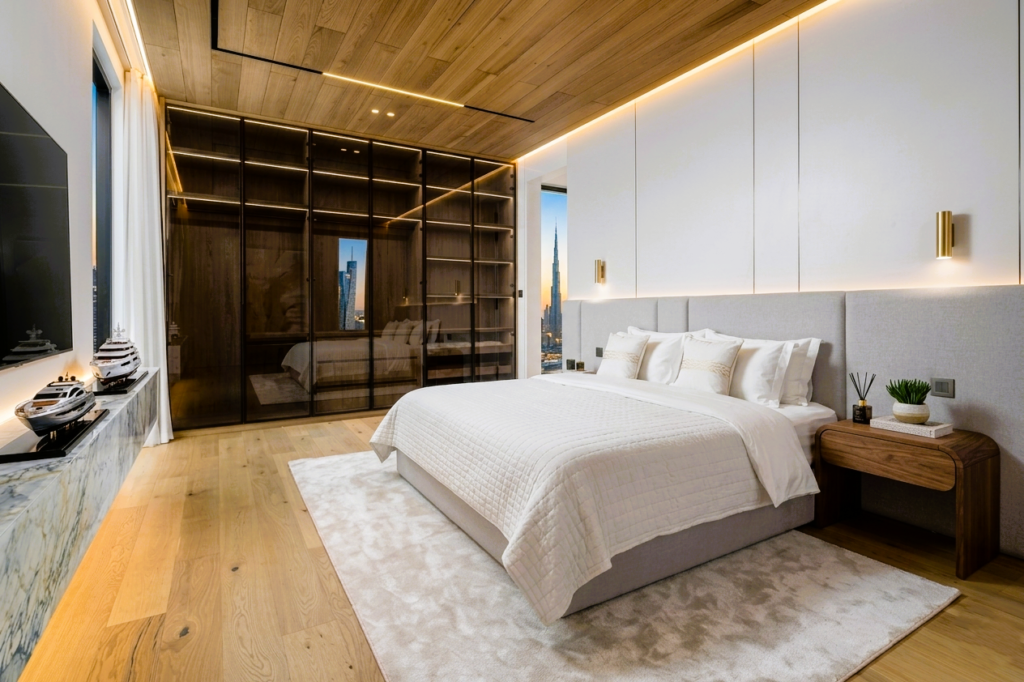
In today’s high-end residential market, interior cladding for luxury villas in Dubai has evolved into a defining architectural strategy rather than a finishing layer. Across the UAE and wider GCC—from Abu Dhabi to Saudi Arabia—villa interiors are no longer driven by decoration alone. They are engineered environments where materiality, performance, and spatial experience converge.
For architects, developers, and façade consultants, the role of interior cladding is now critical. It shapes how space is perceived, how surfaces perform over time, and how villas respond to the region’s demanding climate conditions.
Within Dubai’s luxury segment, where expectations are exceptionally high, interior cladding must achieve a delicate balance:
timeless elegance, technical resilience, and seamless integration with architecture.
Why Interior Cladding for Luxury Villas in Dubai Matters More Than Ever
The contemporary villa is no longer a collection of rooms—it is a curated spatial journey. In this context, interior cladding for luxury villas in Dubai performs multiple roles simultaneously:
- Defines architectural identity through texture and depth
- Enhances durability in high-traffic living environments
- Improves acoustic comfort in large, open-plan layouts
- Supports fire safety compliance and regulatory alignment in the UAE
- Integrates with lighting, joinery, and façade transitions
As villas grow more expansive and design-driven, cladding becomes the framework that unifies interior architecture.
Understanding Material Performance in the GCC Context
Designing interior cladding for luxury villas in Dubai requires a fundamentally different level of material intelligence than in temperate regions. Across Dubai, Abu Dhabi, and the wider Middle East, interior environments are deeply influenced by external extremes—despite being fully conditioned spaces.
High solar exposure, persistent heat gain, and the reliance on continuous air-conditioning cycles create subtle yet constant material stress. Expansion and contraction, humidity variations in semi-open villa layouts, and fine dust infiltration all contribute to long-term surface behavior. These conditions demand that interior cladding is specified not only for its visual impact, but for its ability to remain stable, refined, and consistent over time.
In this context, material selection becomes an architectural decision rooted in performance—where durability, precision, and resilience are as critical as aesthetic intent.
Walls: The Primary Canvas of Interior Cladding
Within luxury villa interiors, walls are no longer passive surfaces. They are the primary medium through which architects express spatial identity, depth, and material narrative. Through carefully specified cladding systems, walls transition into layered compositions that define the character of each space.
Parklex Prodema HPL: Natural Expression, Engineered Longevity
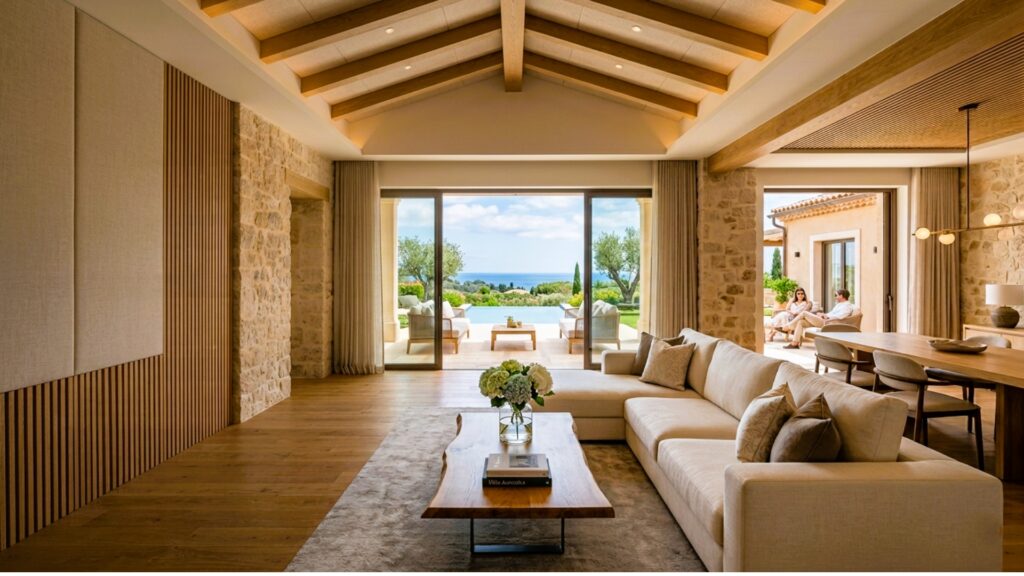
Parklex Prodema interior panels introduce the warmth and authenticity of natural wood, elevated through high-pressure laminate technology. The result is a surface that retains the richness of timber while eliminating the vulnerabilities traditionally associated with it.
In Dubai’s luxury villas, where consistency of finish is paramount, these panels perform with remarkable stability. They resist UV exposure, surface wear, and environmental variation, allowing architects to specify expansive wall applications without compromising long-term appearance. Whether used in majlis settings, private lounges, or as full-height feature walls, Parklex Prodema delivers a refined continuity that aligns with contemporary architectural language across the UAE and Saudi Arabia.
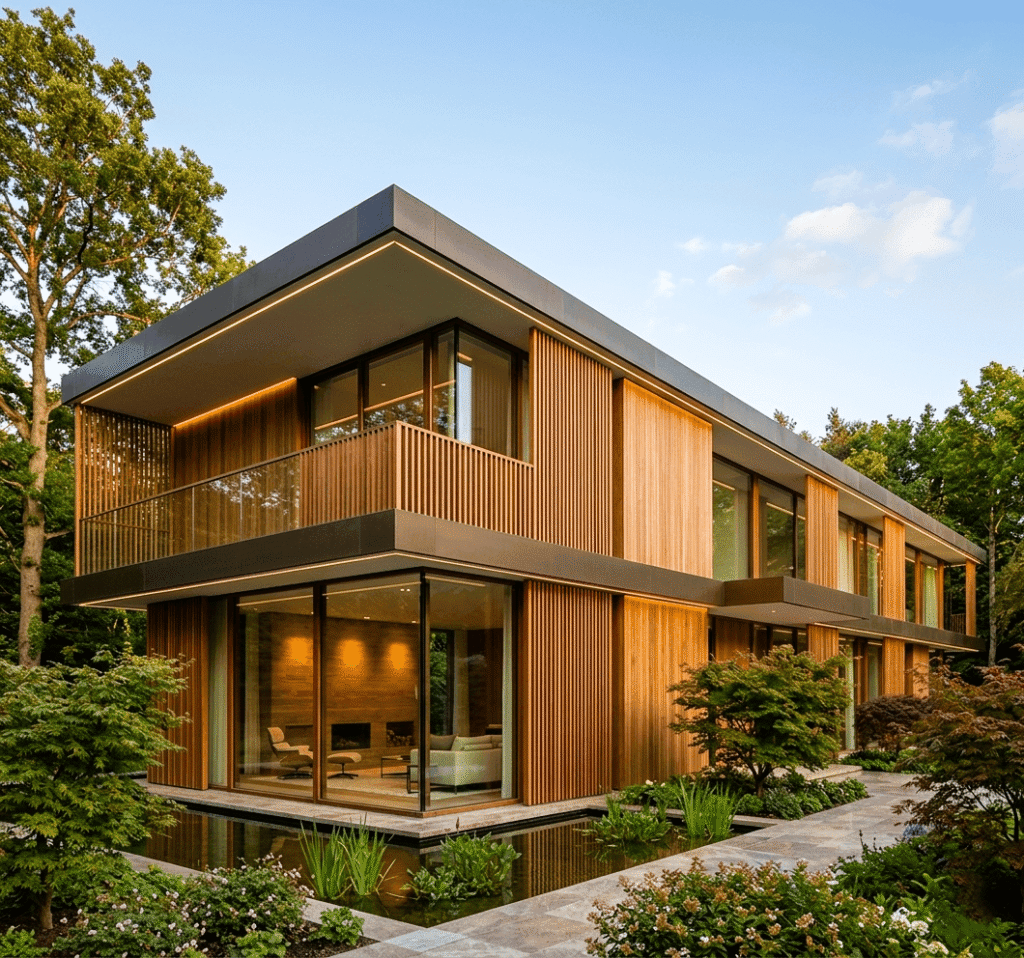
Ventilated Façade Systems — aligning exterior and interior material strategies for cohesive design.
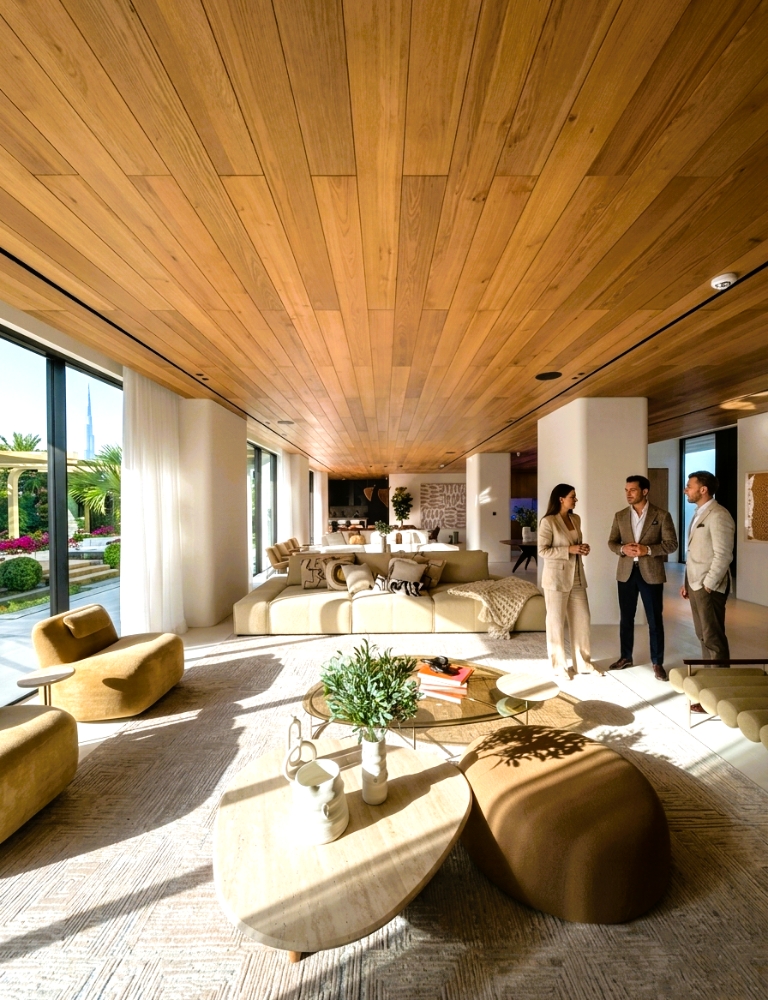
TECHLAM Sintered Stone: Precision Surfaces for Contemporary Interiors
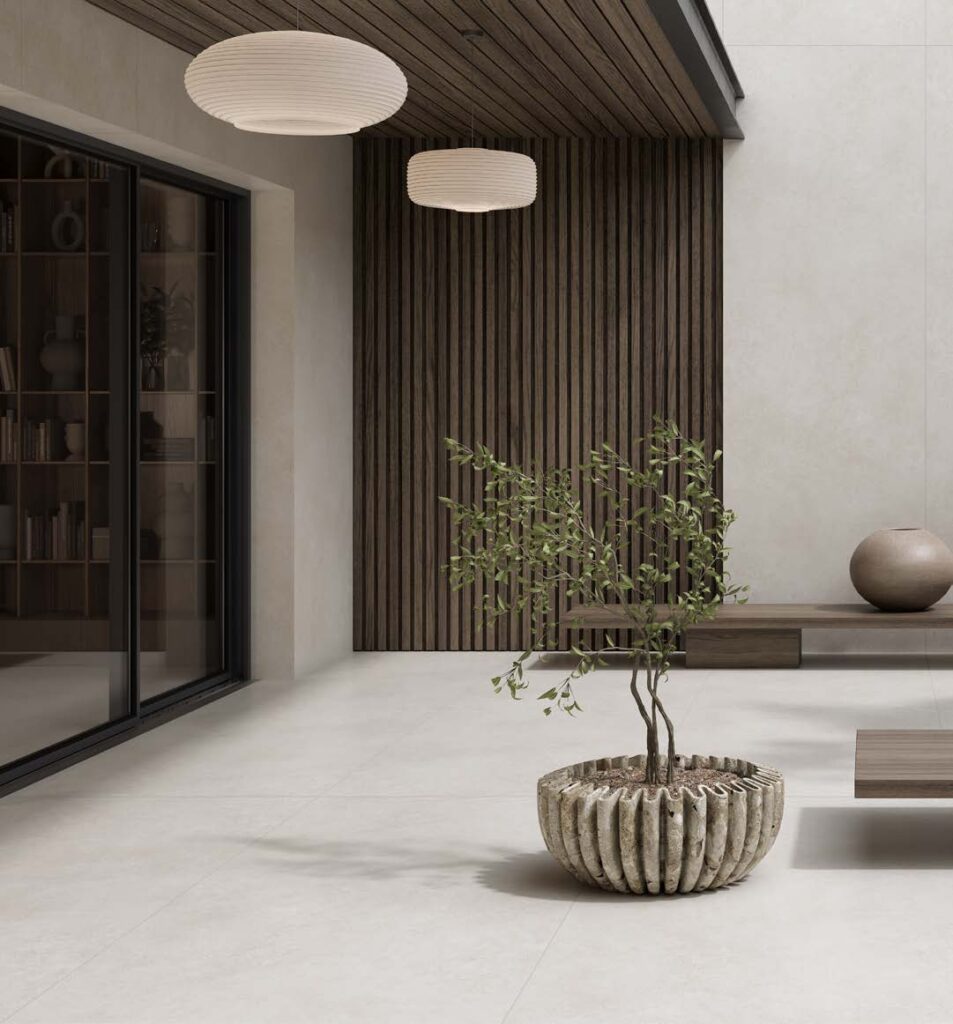
Where minimalism and material clarity are central to the design vision, TECHLAM sintered stone offers a compelling solution. Its ultra-thin, large-format panels allow walls to be perceived as continuous surfaces—reducing visual interruption and reinforcing architectural precision.
In high-performance villa interiors, particularly kitchens, bathrooms, and double-height feature spaces, TECHLAM enables a monolithic expression that is both durable and visually restrained. Its resistance to heat, moisture, and abrasion makes it particularly suited to the demands of Dubai’s high-use environments, while its refined surface quality supports a calm, contemporary aesthetic.
Ceilings: The Fifth Façade in Luxury Villa Design
Ceilings have evolved into a defining architectural layer within interior cladding for luxury villas in Dubai. No longer secondary, they actively shape spatial perception—controlling light, acoustics, and the overall sense of volume.
Woodn WPC Cladding: Controlled Warmth and Spatial Rhythm
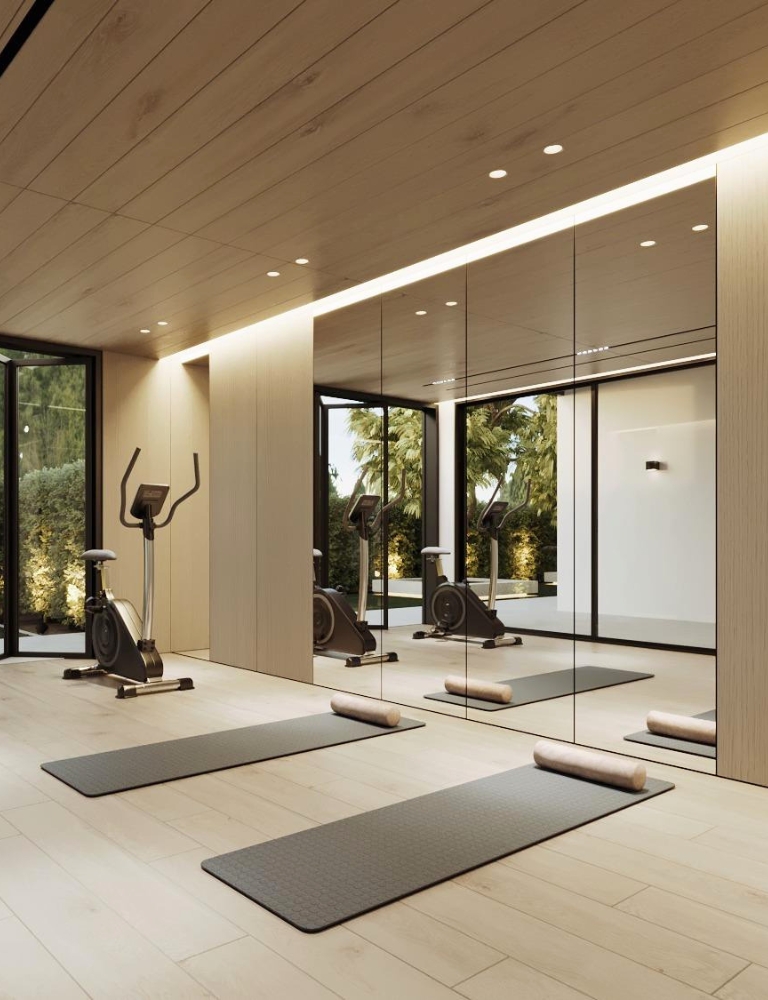
Woodn WPC ceiling systems bring together the visual softness of timber with the reliability of engineered materials. In the controlled environments of Dubai villas, where air-conditioning operates continuously, dimensional stability becomes essential. WPC addresses this with consistency, resisting warping and maintaining alignment over time.
Architecturally, these ceiling systems introduce rhythm and structure. Linear applications guide the eye across open-plan spaces, while integrated lighting transforms ceilings into luminous surfaces rather than concealed infrastructure. In dining areas, living zones, and transitional spaces, WPC ceilings create a sense of enclosure and warmth—without compromising the clarity of the overall design.
Feature Spaces: Where Cladding Defines Experience
In luxury villas, the most memorable spaces are often the most intentional. Feature elements—whether a staircase, a media wall, or a private lounge—offer architects an opportunity to push material expression beyond convention.
Through the strategic layering of HPL, sintered stone, and WPC, these spaces become immersive environments. A staircase may transition from textured wood to smooth stone; a media wall may combine matte and reflective surfaces with integrated lighting; a library may use depth and shadow to create intimacy.
These compositions are not decorative gestures. They are architectural moments—carefully constructed to guide movement, focus attention, and elevate everyday living into a curated experience.
Detailing: The Discipline Behind Refinement
In high-end villa projects, material selection alone does not guarantee success. It is the precision of detailing that ultimately defines the quality of the space.
The alignment of joints, the calibration of shadow gaps, and the integration of concealed fixing systems all contribute to a seamless visual outcome. Lighting must be embedded within the cladding logic, not applied as an afterthought. Transitions between wall, ceiling, and flooring systems must be resolved with clarity and consistency.
For architects and façade consultants working in the UAE, detailing is where concept becomes reality—ensuring that interior cladding for luxury villas in Dubai reads as a coherent architectural language rather than a collection of finishes.
Acoustic Performance and Spatial Comfort
Large villa interiors often present acoustic challenges. Expansive layouts, hard surfaces, and high ceilings can lead to reverberation and reduced sound clarity.
Interior cladding systems, when specified thoughtfully, can significantly enhance acoustic comfort. By introducing textured surfaces and layered materials, architects can soften sound reflection and create more balanced, comfortable environments—particularly in living areas, media rooms, and private lounges.
In this sense, cladding becomes more than a visual tool. It contributes directly to the sensory quality of space.
Fire Safety and Compliance in the UAE
Fire performance remains a critical consideration in interior cladding for luxury villas in Dubai. Materials must meet stringent UAE civil defense regulations, particularly in enclosed areas and circulation zones.
High-performance systems such as HPL and sintered stone are developed to meet these requirements, offering certified solutions that integrate safety into the architectural language. When specified correctly, they allow designers to maintain aesthetic integrity while ensuring compliance.
Sustainability and Future-Ready Materiality
Across the GCC, sustainability is no longer optional—it is an embedded part of design thinking. Interior cladding systems contribute to this shift through longevity, reduced maintenance, and responsible material composition.
Engineered solutions such as WPC and advanced HPL reduce lifecycle impact by maintaining performance over time, minimizing the need for replacement. This aligns with the broader movement toward durable, future-ready architecture in Dubai and the Middle East.
For over two decades, Obras International has supported architects, developers, and consultants across Dubai, Abu Dhabi, and Saudi Arabia in delivering high-performance cladding solutions.
Our role extends beyond supply. We operate as a specification partner—bridging design intent with technical execution. From Parklex Prodema and TECHLAM to Woodn systems, our portfolio reflects a curated selection of materials suited to the region’s demands.
Through early-stage consultation, detailing expertise, and on-ground support, Obras ensures that interior cladding for luxury villas in Dubai is executed with precision, consistency, and architectural clarity.
Obras Project Pages — explore built villa applications across the GCC.
Contact / Specification Support — connect with our technical team.
Design Strategy: Creating Cohesive Interior Narratives
The most successful villa interiors are those where walls, ceilings, and feature elements operate as a unified system. Material continuity across planes, controlled contrast between textures, and integrated lighting strategies all contribute to a cohesive spatial narrative.
Rather than treating surfaces independently, architects are increasingly designing interiors as interconnected compositions—where every element reinforces the overall intent. This approach transforms villas into immersive environments, defined not by individual materials, but by the relationships between them.
Future Trends in Interior Cladding Across the UAE & GCC
The next generation of interior cladding for luxury villas in Dubai is being shaped by a shift toward precision and simplicity. Larger panel formats reduce visual fragmentation, while natural tones and textures reintroduce warmth into contemporary spaces.
At the same time, the integration of smart lighting within cladding systems is redefining how surfaces are perceived—turning walls and ceilings into active design elements. Hybrid material compositions are also gaining traction, allowing architects to balance performance with expressive flexibility.
Dubai continues to lead these developments, setting a benchmark for residential design across the Middle East.
Elevating Villa Interiors Through Intelligent Cladding
The evolution of interior cladding for luxury villas in Dubai reflects a broader architectural shift—towards environments that are as intelligent as they are beautiful.
Walls, ceilings, and feature spaces are no longer isolated elements. Together, they define how a villa performs, how it ages, and how it is experienced.
Through the considered specification of materials such as HPL, sintered stone, and WPC, architects can create interiors that are both visually refined and technically resilient—perfectly aligned with the demands of the GCC.
Obras International remains at the forefront of this transformation, supporting the region’s most ambitious residential projects with expertise, precision, and material innovation.
What is the best interior cladding for luxury villas in Dubai?
High-performance materials such as HPL panels, sintered stone, and WPC systems are widely considered the best options due to their durability, low maintenance, and suitability for UAE climate conditions.
Is interior cladding suitable for Dubai’s humidity conditions?
Yes, advanced cladding systems are specifically engineered to withstand humidity fluctuations and temperature variations common in Dubai villas.
How does interior cladding enhance villa interiors?
It adds depth, texture, and architectural identity while improving durability, acoustics, and integration with lighting systems.
Which material is most durable for villa wall cladding?
Sintered stone is among the most durable, offering exceptional resistance to heat, scratches, and moisture.
Can interior cladding meet UAE fire safety standards?
Yes, certified materials such as HPL and sintered stone are designed to comply with UAE fire regulations when properly specified.