
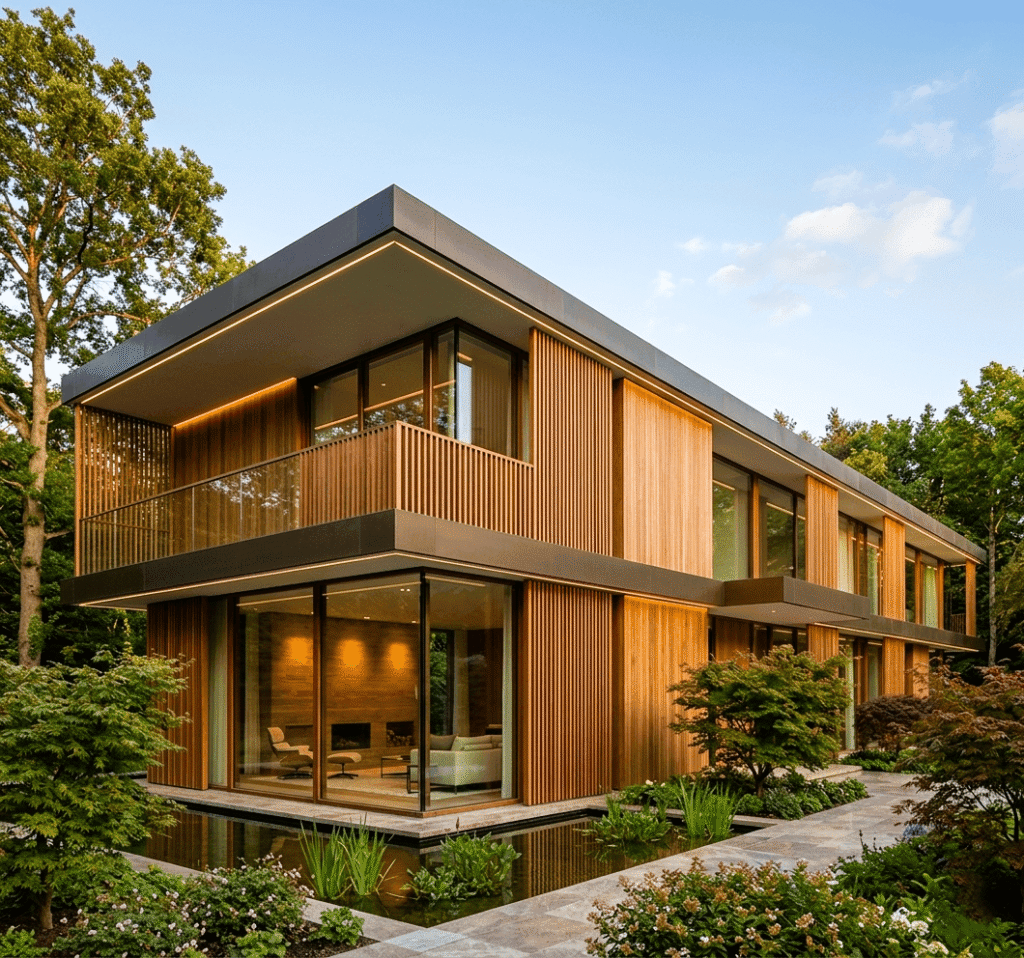
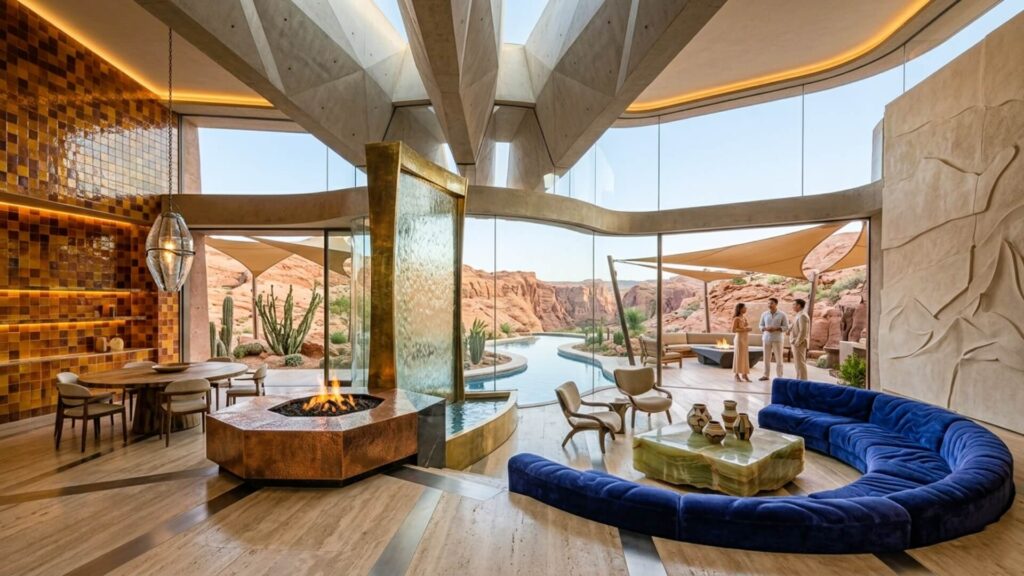
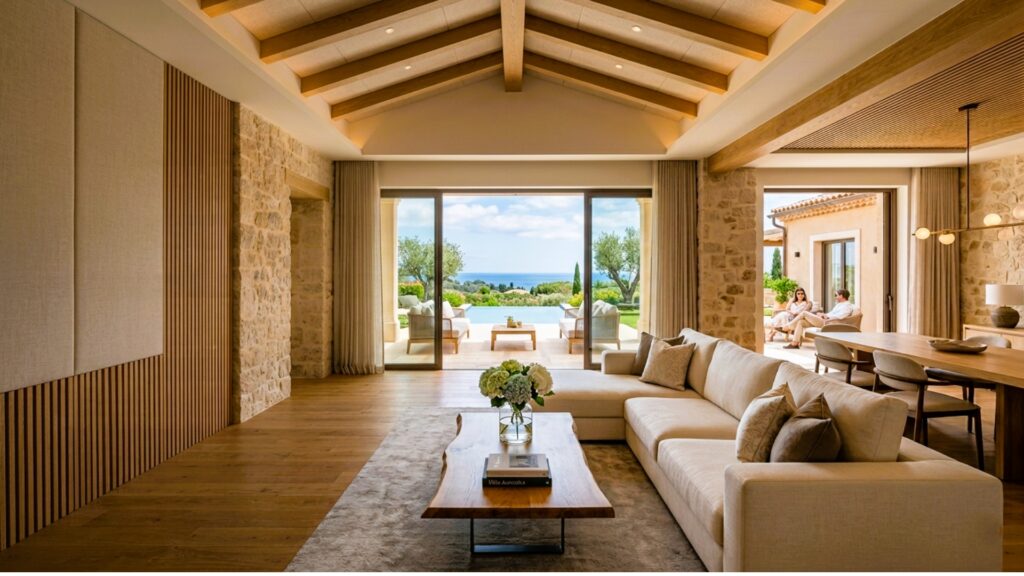
Premium Façade Specification for Architects, Developers & Consultants in the GCC
In the context of Aluminium vs Porcelain Façade Cladding in UAE High-Rise Projects 2026, façade specification in the UAE has evolved into a performance-led and compliance-driven discipline, where architectural accountability now defines material selection from the earliest design stages. What was once primarily guided by visual expression, cost efficiency, and installation speed has shifted toward a more rigorous framework centered on fire safety compliance, thermal performance, and long-term façade durability in UAE and GCC high-rise developments.
Across Dubai, Abu Dhabi, and the wider GCC region, high-rise façades are no longer perceived as simple architectural envelopes. They are now engineered building systems that must consistently perform under extreme climatic stress, meet stringent UAE Civil Defence fire regulations, and support long-term lifecycle performance expectations. In this context, façade design is increasingly influenced by sustainability targets, maintenance reduction strategies, and material resilience under harsh Middle Eastern environmental conditions.
Within the evolving specification landscape of Aluminium vs Porcelain Façade Cladding in UAE High-Rise Projects 2026, façade material selection is no longer driven by aesthetics alone. It has become a critical architectural and engineering decision that directly impacts building performance, fire safety compliance, operational efficiency, and long-term façade integrity across high-rise developments in the UAE. Over decades, these choices define how buildings age, withstand extreme environmental conditions, and retain their architectural identity within the GCC skyline.
The Shift in Façade Specification Across the UAE and GCC
For more than two decades, aluminium composite panels defined the visual language of high-rise development across the UAE. Their lightweight structure, adaptability, and rapid installation made them the default choice for fast-paced urban expansion.
However, the specification mindset has changed significantly.
In modern façade design, especially within Aluminium vs Porcelain Façade Cladding in UAE High-Rise Projects 2026, architects are no longer selecting materials based on speed or cost alone. Instead, they are evaluating façade systems through a performance-first lens where durability, compliance, and lifecycle stability are essential criteria.
This shift is closely aligned with evolving UAE fire safety regulations, stricter civil defence approvals, and a broader regional focus on sustainable, long-life building assets. As a result, façade systems are now expected to perform consistently not only at handover but throughout the building’s entire operational life.
Fire Safety as a Defining Specification Parameter
Fire performance has become one of the most critical drivers in façade material selection across high-rise developments in the UAE.
Aluminium composite systems are now heavily regulated, requiring certified A2-rated cores and strict assembly compliance. This has introduced additional layers of testing, documentation, and installation control, particularly for towers in Dubai and Abu Dhabi where approval processes are highly stringent.
Within the discussion of Aluminium vs Porcelain Façade Cladding in UAE High-Rise Projects 2026, porcelain façade systems present a fundamentally different material logic.
Porcelain-based systems such as EXAGRES (EXATECH) are inherently non-combustible. Classified as A1 under EN 13501-1, they do not rely on composite layering or engineered fire-retardant additives. Their fire performance is intrinsic to the material itself, resulting from high-temperature firing processes that transform clay-based materials into dense ceramic surfaces.
For architects and façade consultants, this distinction simplifies specification decisions. Instead of designing around fire resistance as a system requirement, the façade material itself becomes inherently compliant with the highest safety classification available.
This clarity is increasingly important in high-rise projects where regulatory certainty directly impacts design approval timelines.
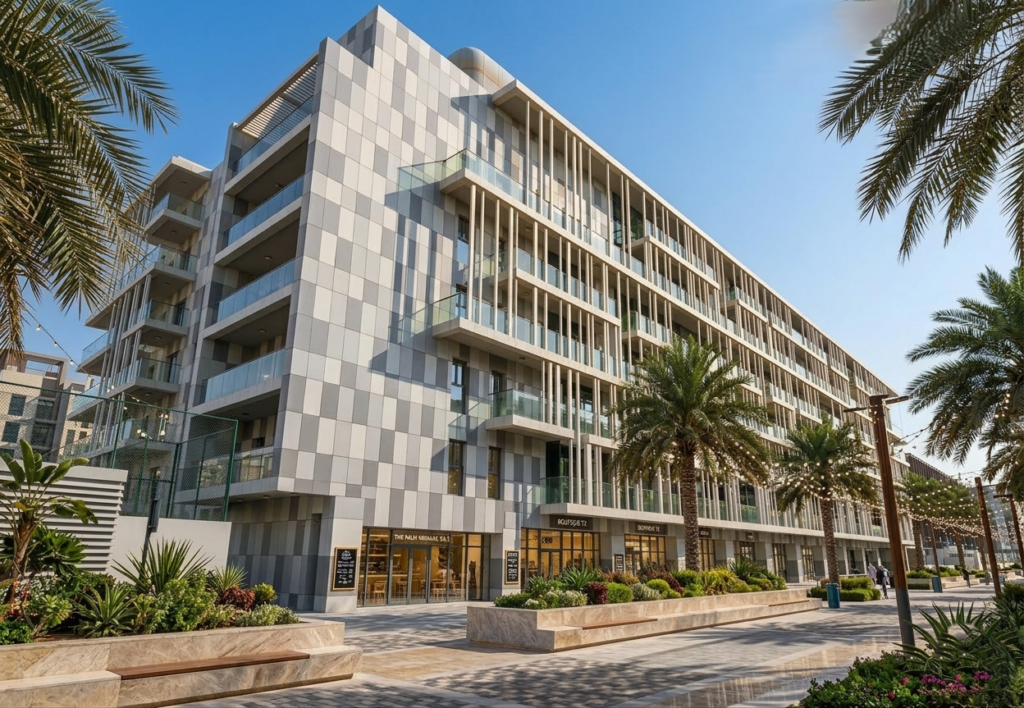
Climate Performance in the GCC Environment
The UAE climate is one of the most demanding in the world for façade systems.
High temperatures, UV exposure, humidity, and coastal salt conditions continuously stress building envelopes.
Aluminium systems expand and contract under thermal load, requiring carefully engineered movement joints and ongoing maintenance control.
Porcelain systems behave differently.
EXAGRES (EXATECH) porcelain façades maintain:
- Dimensional stability under extreme heat
- UV resistance without surface degradation
- Long-term colour consistency
- High resistance to coastal environmental exposure
In high-rise applications, this directly translates into lower façade fatigue and higher architectural reliability over time.
Architectural Expression and Material Identity
Façades are no longer just protective layers—they define architectural identity.
Aluminium offers a sleek, reflective, industrial aesthetic suited to modern corporate towers and geometric expressions.
Porcelain introduces a more architectural, material-driven language.
With EXAGRES (EXATECH), façades can achieve:
- Stone-like depth and mineral realism
- Large-format monolithic surfaces
- Reduced joint visibility
- Premium tactile visual identity
This makes porcelain particularly relevant for:
- Luxury residential towers
- Hospitality developments
- Iconic architectural landmarks in the GCC
👉 View façade project references: /projects
Installation Strategy: Efficiency Versus Precision
Installation methodology plays a significant role in façade selection, particularly in fast-track developments across the UAE.
Aluminium systems offer clear advantages in installation speed due to their lightweight nature and ease of handling. This makes them suitable for projects where construction timelines are compressed and façade sequencing must align with rapid structural completion.
Porcelain systems require a more structured installation approach. Substructure precision, panel handling expertise, and experienced façade contractors are essential to ensure performance integrity.
Within Aluminium vs Porcelain Façade Cladding in UAE High-Rise Projects 2026, this difference is not necessarily a limitation but a strategic trade-off. Developers increasingly recognize that higher upfront installation complexity can lead to significantly reduced long-term operational and maintenance requirements.
Lifecycle Performance and Maintenance Considerations
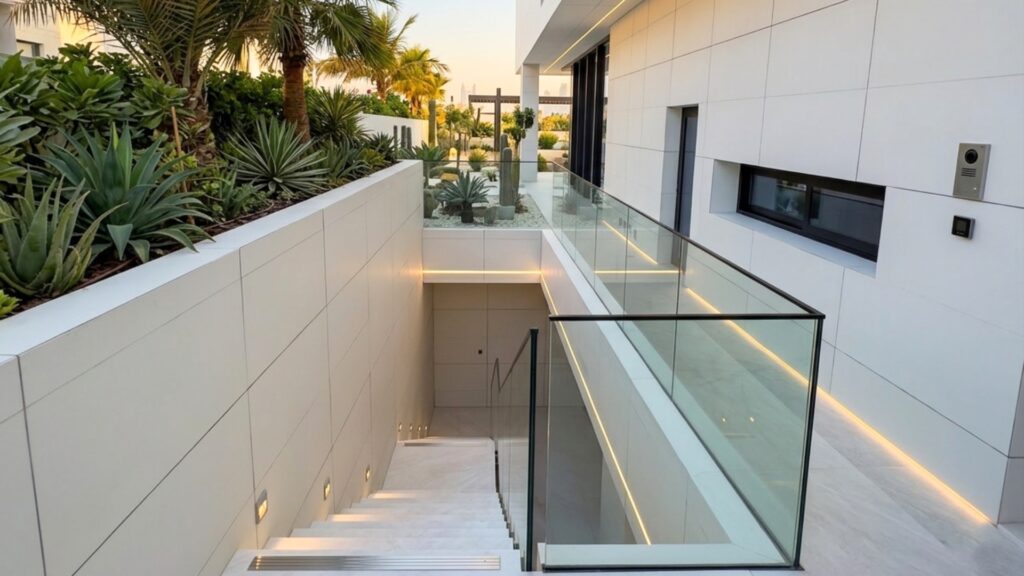
Lifecycle thinking is now central to façade specification in the UAE and wider GCC region.
Porcelain façades, by contrast, are designed for minimal intervention. Their non-porous surfaces resist dirt accumulation and biological growth, reducing maintenance requirements to basic cleaning regimes.
Aluminium façades typically require periodic inspection cycles to assess coating performance, sealant integrity, and surface condition, particularly in high-exposure zones.
This difference significantly impacts lifecycle cost models, which are increasingly used by developers and asset owners when evaluating façade systems in Aluminium vs Porcelain Façade Cladding in UAE High-Rise Projects 2026.
Over extended building lifespans, reduced maintenance frequency translates into both operational savings and improved asset value retention.
Cost Logic: Initial Investment Versus Long-Term Value
From a procurement perspective, aluminium systems generally offer a lower initial cost, making them attractive for large-scale developments and budget-sensitive projects.
Porcelain façade systems represent a higher upfront investment due to material cost, installation requirements, and technical detailing complexity.
However, architectural decision-making in the UAE is increasingly shifting toward lifecycle value assessment rather than initial capital expenditure alone.
When evaluated over a 20 to 30-year horizon, porcelain systems often deliver stronger value retention through reduced maintenance costs, extended service life, and consistent aesthetic performance.
EXAGRES (EXATECH) in GCC High-Rise Specification
Within the porcelain façade category, EXAGRES (EXATECH) has established itself as a high-performance system widely specified across GCC developments.
Its combination of A1 fire rating, structural stability, and design versatility aligns well with the requirements of contemporary high-rise architecture in the UAE.
For architects and façade consultants, EXAGRES provides not only material performance but also specification confidence supported by technical consistency and regional project experience.
Successful façade outcomes are not solely determined by material selection. They depend on specification accuracy, technical coordination, and regional expertise.
OBRAS International plays a key role in supporting architects, developers, and façade consultants throughout the GCC by providing technical guidance on façade systems, including EXAGRES (EXATECH) porcelain solutions.
From early design development through to project execution, OBRAS supports integrated façade decision-making aligned with regulatory requirements and performance expectations in the Middle East.
Explore related solutions:
- Ventilated façade systems: /ventilated-facade-systems
- Fibre cement cladding solutions: /fibre-cement-cladding
- Project portfolio: /projects
- Specification support: /contact-us
Specification Thinking in 2026
The discussion around Aluminium vs Porcelain Façade Cladding in UAE High-Rise Projects 2026 reflects a broader transformation in architectural thinking across the GCC.
Façades are no longer defined solely by appearance or construction efficiency. They are evaluated as long-term environmental, structural, and regulatory systems that must perform consistently in some of the most demanding climatic conditions in the world.
Aluminium continues to serve important roles in contemporary architecture, particularly where speed and cost efficiency are primary drivers. However, porcelain façade systems are increasingly being specified where architectural longevity, fire safety, and material authenticity are essential.
Ultimately, façade specification is no longer about choosing between two materials. It is about aligning material behaviour with architectural intent.