
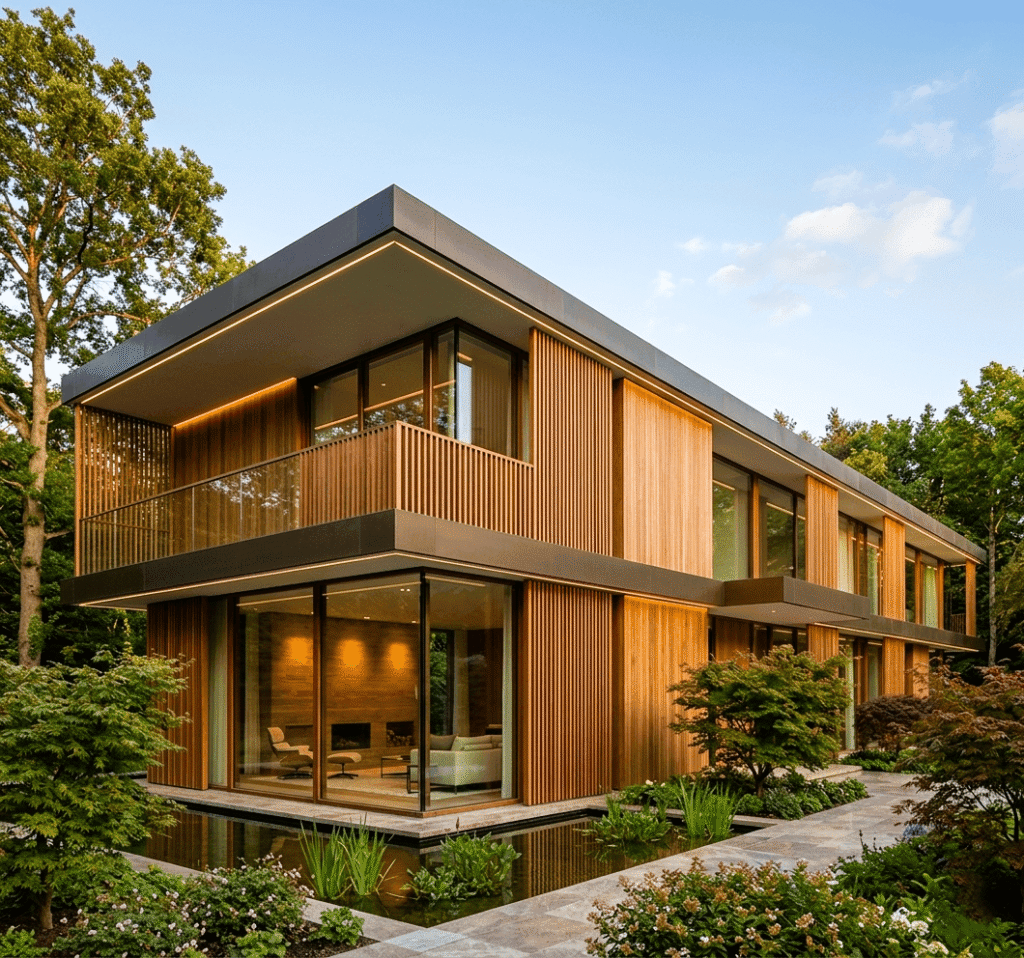
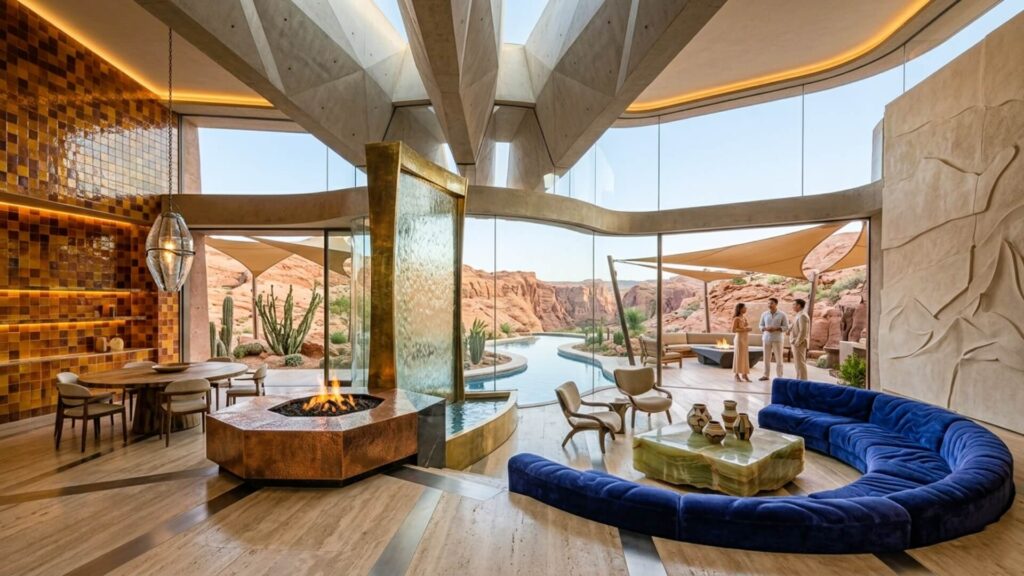
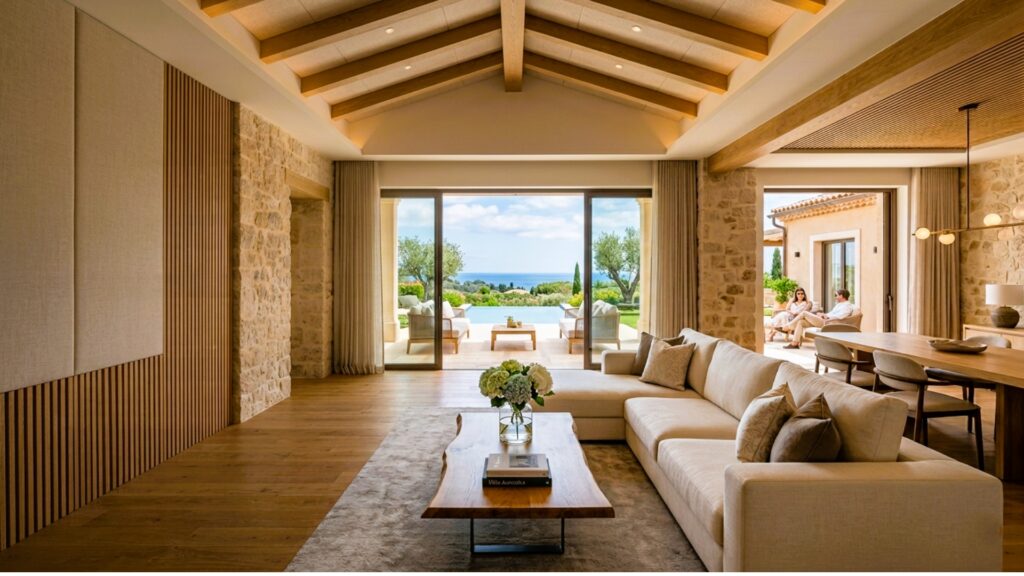
A practical material selection guide for architects, façade consultants, developers and contractors planning projects in Dubai, Abu Dhabi, Saudi Arabia and across the GCC.
Selecting façade cladding materials is more than choosing a colour or surface finish. For construction projects in the UAE and GCC, the right exterior cladding specification must consider architectural intent, climate exposure, fire safety, structural requirements, installation systems, material availability and long-term performance.
Whether your project is at concept design, detailed specification, tender evaluation or construction, early material coordination can help reduce specification uncertainty and avoid unnecessary changes later.
Looking for façade cladding materials for a UAE or GCC project? OBRAS International, a Dubai-based architectural materials supplier established in 2005, supports architects, consultants, developers and contractors with material selection, samples, technical coordination and project enquiries.
What Are the Best Façade Cladding Materials for UAE and GCC Buildings?
The best façade material depends on the project’s architectural design, building type, environmental exposure, performance requirements and budget.
For contemporary commercial, residential, hospitality, educational and institutional buildings, commonly considered architectural cladding materials include:
- Fibre cement façade panels — for contemporary architectural surfaces, textured finishes and ventilated rainscreen applications.
- Natural wood veneer HPL panels — for authentic timber aesthetics on façades, soffits and selected architectural surfaces.
- Porcelain façade panels — for ceramic finishes, colour consistency and suitable ventilated façade assemblies.
- Sintered stone slabs — for large-format architectural surfaces and selected exterior or interior applications.
- Terracotta façade cladding — for ceramic character, texture and architectural depth.
- Engineered stone cladding — for projects requiring a distinctive mineral-based architectural surface.
- Wood-plastic composite (WPC) — for selected louvers, screening, pergolas and other suitable applications.
Each material should be evaluated against the relevant project requirements. A product’s individual test classification does not automatically establish the compliance of a complete façade assembly.
Façade Material Selection at Each Construction Stage
1. Concept Design Stage: Choosing the Architectural Direction
At the concept stage, architects and developers explore the visual identity of the building and establish the initial façade material palette.
This is the ideal time to compare material appearance, panel formats, surface textures, colour options and potential applications.
For example, a contemporary villa in Dubai might explore natural wood veneer cladding for entrance features and soffits, while an educational or commercial project might consider fibre cement panels for a consistent architectural finish.
What should architects review at concept stage?
- Material aesthetics and design compatibility
- Panel dimensions and proposed joint patterns
- Exterior versus interior application suitability
- Preliminary fire and environmental performance requirements
- Material samples and reference projects
- Preliminary budget and sourcing considerations
OBRAS International offers architectural material sample enquiries and showroom consultations to support the selection process.
At concept stage?
2. Design Development Stage: From Material Selection to Façade Specification
Once the architectural direction is established, the design team must assess how the proposed cladding material will work within the overall building envelope.
For ventilated façade systems, the specification may involve the exterior panel, substructure, fixing method, ventilation cavity, insulation, barriers and interface details.
Architects and façade consultants should coordinate:
- Panel thickness, dimensions and fixing compatibility
- Fire classification and applicable assembly testing
- Wind-load and structural design requirements
- Thermal movement and joint design
- Cavity, drainage and moisture-management details
- Thermal insulation and building-envelope performance
- Cleaning, maintenance and replacement considerations
- Manufacturer technical documents and project-specific approvals
In Dubai, façade specifications must be assessed against applicable building regulations, including the Dubai Building Code and relevant UAE Fire and Life Safety Code requirements.
Need assistance selecting a façade material?
3. Tender Stage: Selecting Façade Materials for Pricing and Procurement
At the tender stage, contractors, estimators and procurement teams need to translate the design specification into a clear and commercially workable material enquiry.
A request for façade cladding prices in Dubai should include enough technical information to identify the intended product and application.
What information should be included in a façade material RFQ?
- Project name and location
- Project stage and expected procurement date
- Specified brand, material and product reference
- Required panel thickness, dimensions and finish
- Estimated façade area or bill of quantities
- Proposed fixing system and relevant drawings
- Required technical documentation
- Expected delivery schedule
Providing these details helps suppliers review the material enquiry and clarify product options, availability and quotation requirements.
Preparing a façade tender in Dubai, Abu Dhabi or the GCC?
OBRAS International can review material supply enquiries for its architectural product portfolio and coordinate project-specific information.
4. Construction Stage: Material Approval and Supply Coordination
During construction, the priority shifts toward confirming the approved specification, material selection and procurement arrangements.
Contractors and project teams may need to coordinate material samples, manufacturer documentation, selected finishes and supply schedules.
Before placing an order, confirm that the proposed product, finish, thickness, fixing method and applicable technical documentation align with the approved project requirements.
OBRAS can assist with relevant product information and material supply coordination, subject to the specific project and product requirements.
Architectural Façade Materials Available Through OBRAS International
EQUITONE Fibre Cement Façade Panels
EQUITONE architectural fibre cement panels are used in contemporary ventilated façade applications.
The product portfolio includes finishes such as Tectiva, Linea, Natura, Pictura, Inspira, Lunara, Textura and Coloura.
Architects can explore different surface expressions, including natural material textures, linear patterns and colour-led designs.
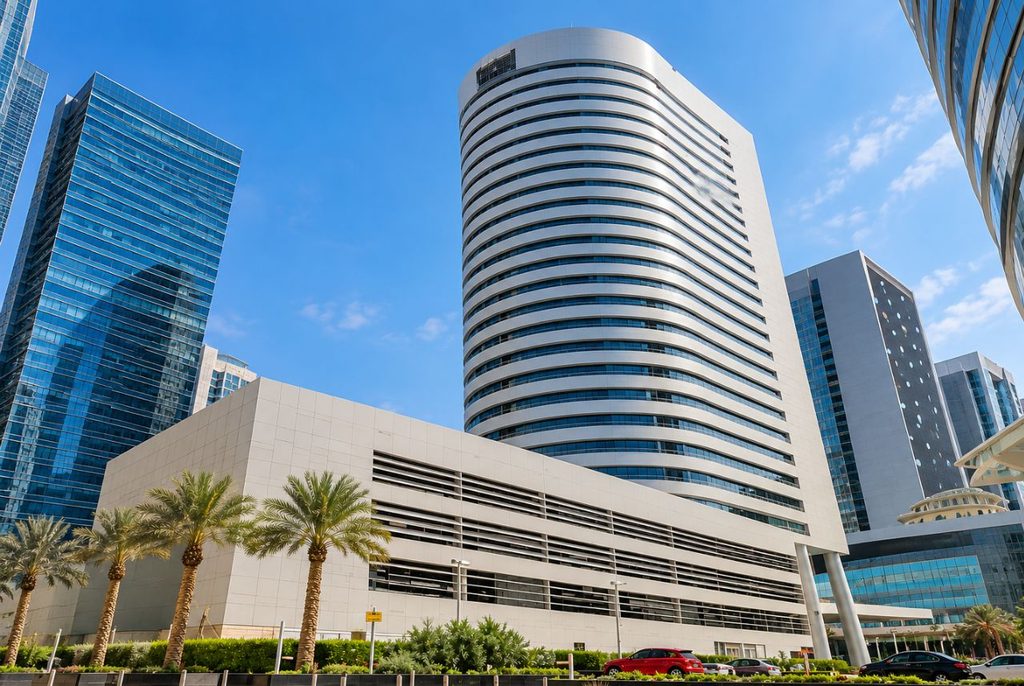
Suitable enquiries: Fibre cement façade panels in Dubai, EQUITONE UAE supplier, architectural fibre cement cladding, fibre cement panel samples and project quotations.
PARKLEX PRODEMA Natural Wood Veneer HPL Cladding
PARKLEX PRODEMA architectural panels combine a natural wood veneer surface with an engineered panel construction.
Selected product ranges are designed for exterior cladding, soffits, interior walls and other designated applications.
They offer architects a way to introduce authentic timber character into contemporary building design.
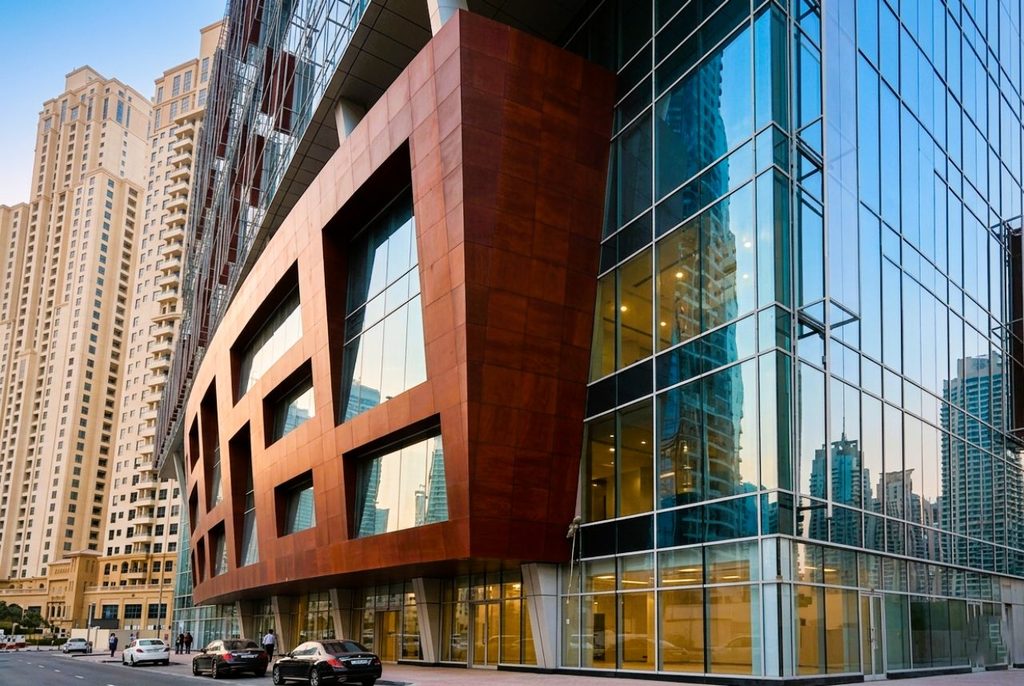
Suitable enquiries: Natural wood cladding Dubai, exterior wood HPL panels UAE, PARKLEX PRODEMA supplier, wood veneer façade panels and architectural soffit cladding.
EXAGRES EXA-TECH Porcelain Façade Panels
EXA-TECH porcelain panels offer ceramic architectural finishes for suitable exterior façade applications.
For projects requiring ventilated façade solutions, architects should review the panel format, fixing method, joint arrangement and supporting system.
Suitable enquiries: Porcelain façade cladding UAE, exterior porcelain panels Dubai, concealed fixing façade panels and ceramic rainscreen cladding.
TECHLAM Sintered Stone Slabs
TECHLAM sintered stone provides a large-format architectural surface option for suitable interior and exterior applications.
Material selection should consider slab thickness, dimensions, fixing requirements, edge details and the intended environment.
Suitable enquiries: Sintered stone cladding Dubai, large-format façade slabs UAE and TECHLAM architectural surfaces.
TONALITY Terracotta Façade Cladding
TONALITY terracotta provides ceramic façade solutions with distinctive profiles, textures and architectural depth.
It can be considered for projects exploring terracotta rainscreen cladding and expressive exterior surface design.
Suitable enquiries: Terracotta façade panels UAE, ceramic cladding Dubai and terracotta ventilated façade systems.
WOODN Architectural WPC Louvers and Cladding
WOODN offers wood-plastic composite architectural solutions for selected screening, louver, pergola and cladding applications.
The appropriate product and system should be selected according to the intended use and technical requirements.
Suitable enquiries: WPC louvers Dubai, architectural screening UAE, exterior WPC cladding and façade shading materials.
How Do You Choose a Façade Material Supplier in Dubai?
Architects and contractors should look beyond the material catalogue when selecting a supplier.
A useful architectural materials partner should help the project team understand product applications, finish options, technical documentation and procurement considerations.
When evaluating façade material suppliers in the UAE, consider:
- Experience supplying architectural materials
- Relevant manufacturer partnerships
- Material samples and physical finish comparisons
- Product-specific technical information
- Reference projects and application experience
- Responsiveness to specification and tender enquiries
- Clarity regarding availability and delivery arrangements
OBRAS International has supported architectural projects across the UAE and wider GCC since 2005, working with architects, developers, consultants and contractors.
The OBRAS Concept Showroom in Dubai provides an opportunity to explore architectural material finishes and discuss project requirements.
Why Material Selection Matters in the GCC Climate
Façades in the UAE and GCC can be exposed to intense solar radiation, elevated temperatures, dust, wind and, in coastal locations, salt-laden environments.
These conditions should influence both material selection and façade system design.
A ventilated rainscreen façade incorporates a cavity behind the exterior cladding. Depending on the overall system design, this can support drainage, drying and management of solar heat effects.
However, thermal performance, moisture management, structural resistance and fire safety depend on the complete designed assembly—not simply the cladding panel.
Architects should assess the intended system against the relevant building code, manufacturer guidance and project-specific engineering requirements.
Façade Material Value Engineering During Tender
Value engineering is not simply replacing a specified façade panel with a lower-priced alternative.
A proposed alternative should be evaluated for design intent, technical suitability, fire performance, fixing compatibility, maintenance requirements, programme implications and total project value.
Before proposing a material substitution, contractors should confirm:
- Whether the alternative meets the architectural specification
- Whether applicable fire and technical documentation is available
- Whether panel dimensions affect the approved façade layout
- Whether the fixing and substructure systems require redesign
- Whether consultant or authority approval is required
- Whether procurement timing meets the project programme
Early discussions between the architect, façade consultant, contractor and material supplier can help identify potential issues before a substitution is submitted.
Start Your Façade Material Enquiry with OBRAS International
From the first architectural concept to the final material procurement decision, the right specification starts with the right conversation.
Whether you are exploring façade finishes for a new development, preparing a material specification or pricing an active tender, OBRAS International can help you explore suitable architectural materials from its portfolio.
For architects: Compare finishes, request samples and discuss specifications.
For façade consultants: Enquire about technical product information and application requirements.
For contractors and procurement teams: Share your material schedule, drawings or BOQ for a project-specific enquiry.
For developers: Explore architectural material options for upcoming UAE and GCC projects.
Request a Façade Material Quotation — WhatsApp OBRAS
Schedule an Online Consultation
Book a Free Architectural Lunch & Learn
OBRAS International — Your Trusted Partner in Ventilated Façade Since 2005.
Dubai, United Arab Emirates | Serving Architectural Projects Across the UAE & GCC
Frequently Asked Questions About Façade Cladding in the UAE
Who supplies façade cladding materials in Dubai?
OBRAS International is a Dubai-based supplier of ventilated façade and architectural cladding materials, including fibre cement, natural wood veneer HPL, porcelain, sintered stone, terracotta and selected WPC products. Architects and contractors can enquire about material selection, samples and project quotations.
Where can architects request façade material samples in Dubai?
Architects can contact OBRAS International to request available architectural material samples for UAE projects. Include the material of interest, application, project location and company details so the team can confirm suitable options and collection or delivery arrangements.
Which façade cladding materials are suitable for UAE weather?
Fibre cement, porcelain, terracotta, engineered stone and selected exterior-grade HPL products may be considered for UAE projects, depending on the product, exposure conditions and complete façade system design. Suitability must be verified for the specific application.
Can contractors request façade material quotations during tender?
Yes. Contractors can send OBRAS a façade material enquiry with the project location, specified product, approximate quantities, technical requirements and expected procurement timeline. The team can review the enquiry and advise on the next steps.
What is the difference between HPL and fibre cement façade panels?
Exterior-grade HPL panels are resin-based engineered panels available in different decorative surfaces, including natural wood veneer options. Fibre cement panels are cement-based composite materials available in various architectural finishes. Their fire performance, appearance, physical properties and fixing requirements differ by product and system.
What is a ventilated façade system?
A ventilated façade is an exterior wall cladding arrangement with a cavity behind the outer panel. The complete system typically includes cladding, fixings, substructure and other building-envelope components as required by the design.
Can OBRAS assist with façade material selection for Saudi Arabia and other GCC projects?
OBRAS serves UAE and GCC project enquiries. Architects, consultants and contractors working on projects in Saudi Arabia, Qatar, Oman, Bahrain and Kuwait can contact the team to discuss relevant materials, specifications and supply requirements.
What should I send when requesting façade materials for an active project?
Provide your project location, construction stage, material type, required finish, approximate quantity and relevant drawings or BOQ. This helps the supplier assess the enquiry more efficiently.