
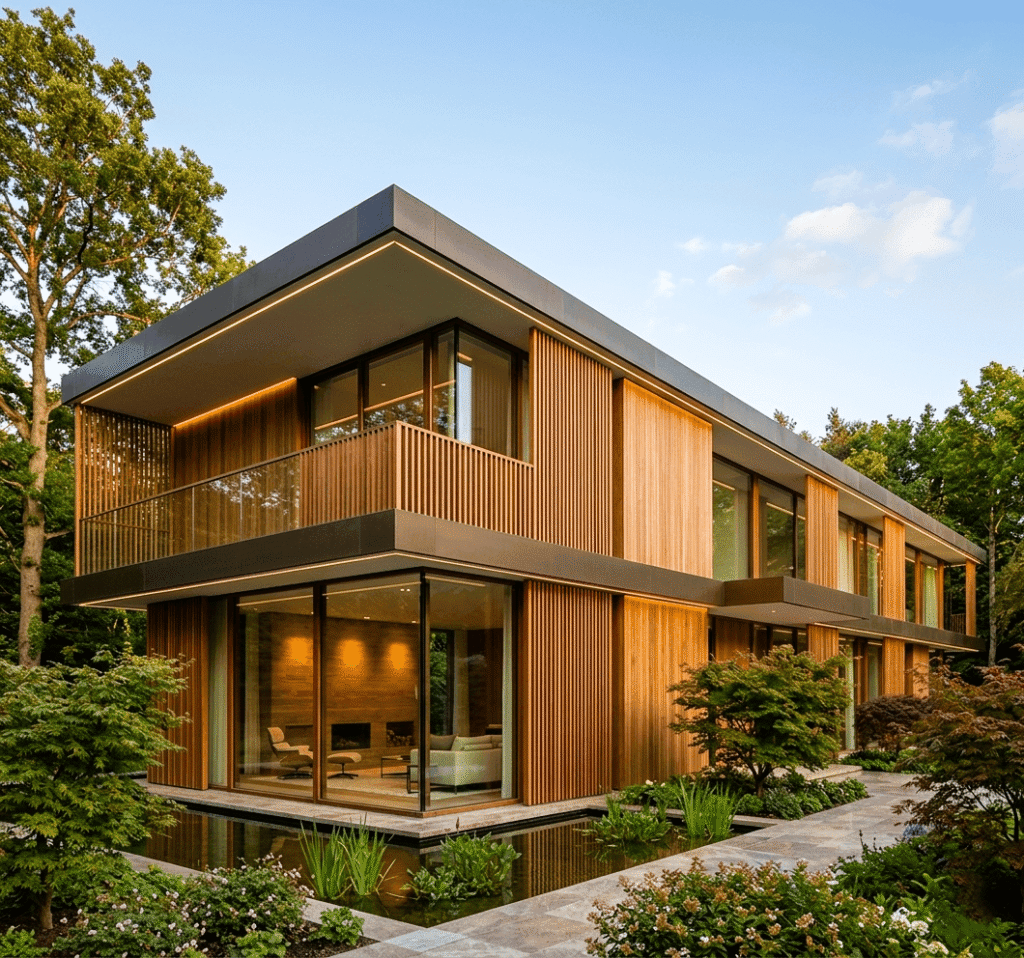
In the evolving dialogue of Gulf architecture, where material performance meets cultural expression, the Bassam Freiha Art Foundation in Abu Dhabi’s Saadiyat Island Cultural District stands as more than a building—it is a spatial manifesto. From the moment one encounters its façade, the project communicates with precision, material intelligence, and contextual sensitivity. Completed in 2024, this foundation for global art and regional heritage has quickly transcended its programmatic role, earning the Cultural Project of the Year at the Design Middle East Awards 2024 and securing its place in the architectural canon of the region.
For architects working in climatechallenged environments such as the GCC, this project exemplifies how thoughtful material selection, innovative façade systems, and collaborative engineering can coalesce into a landmark that is both culturally resonant and technically sophisticated. At its core, this building demonstrates how a façade—often relegated to aesthetic skin—can become a performancedriven and tactile component of architectural storytelling.
Materiality as Narrative: Fibre Cement Panels in Contemporary Practice
Architectural cladding is no longer a peripheral design afterthought. In highperformance buildings across the GCC, material choice defines occupant comfort, environmental resilience, fire safety compliance, and longterm maintenance outcomes. Among the advanced materials driving this design evolution is fibre cement, particularly when specified through contemporary ventilated façade systems that enhance thermal performance and moisture control.
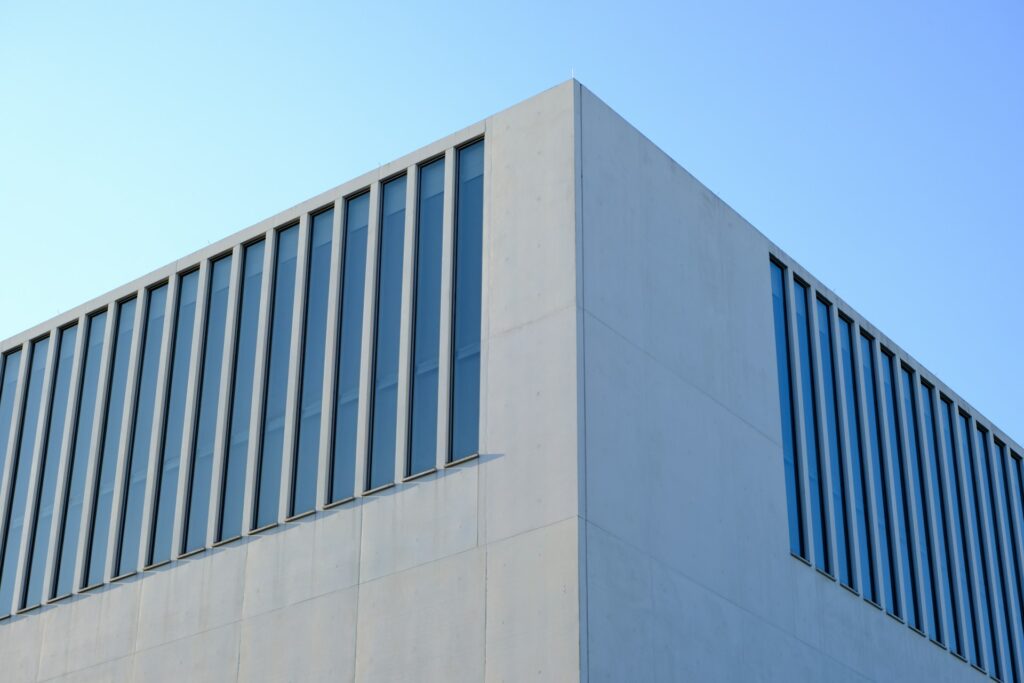
The Bassam Freiha façade utilises largeformat panels from the EQUITONE [tectiva] range, chosen for its distinctive surface quality, robustness in severe climates, and design flexibility. Each panel’s sanded finish and throughcoloured composition express the raw materiality inherent to fibre cement, echoing the project’s commitment to authenticity and architectural nuance.
For architects seeking detailed product information on fibre cement solutions, explore the EQUITONE® global material catalogue and technical resources here: (Obras Link). Additionally, specific ranges such as [tectiva], [linea], and [pictura] provide varied textures and performance profiles suitable for diverse architectural expressions.
A Project Rooted in Collaboration and Cultural Ambition
The realization of the Bassam Freiha Art Foundation is a case study in interdisciplinary collaboration. ADD Consultants, with a design legacy stretching back to 1981, integrated rigorous contextual understanding with a vision for spatial clarity and material expression. Their architectural framework provided a canvas for a nuanced interplay of light, texture, and tectonic rhythm. The result is a façade that resonates with both cultural aspiration and architectural rigour.
In parallel, Obras International acted as the façade consulting and material delivery partner, bringing deep expertise in ventilated façade systems tailored to the Gulf’s unique environmental demands. With over 1,500 projects completed and 50+ regions served in the GCC and Middle East, Obras is a goto resource for architects seeking endtoend support—from early material specification through installation oversight.
To explore a portfolio of innovative ventilated façade and cladding solutions that Obras has supported across the GCC, visit the Obras International project and services portfolio here: (Obras Link). This repository reveals how diverse architectural challenges—from urban commercial façades to cultural institutions—are addressed through tailored façade systems that blend performance and aesthetic intent.
Ventilated Façade Systems: Performance and Architectural Expression
Understanding the performance mechanics behind ventilated façades is key to specifying highperformance envelopes that sustain GCC climates. A ventilated façade system consists of an outer cladding plane anchored to a substructure, with an intentional cavity between the cladding and the insulated substrate. This cavity facilitates airflow, mitigates heat gain, and reduces condensation risk—benefits that translate directly into improved building comfort and reduced mechanical cooling loads.
In the Bassam Freiha Art Foundation, this strategy allowed the architectural team to pursue expansive cladding sections without sacrificing environmental performance, addressing both thermal regulation and moisture management critical to Abu Dhabi’s subtropical desert climate.
For designers concerned with specification details, ventilated façades also support fire safety compliance, crucial to GCC building codes and international standards. The use of throughcoloured fibre cement panels with Class A or A2s1,d0 fire ratings enhances occupant safety while maintaining design freedom—a nonnegotiable in today’s architectural practice.
Expressive Texture and Light: How EQUITONE® Panels Elevate Façade Design
Materiality at the Bassam Freiha Art Foundation does not merely serve performance—it shapes experience. Fibre cement’s particulate, mineral texture orchestrates light and shadow across the façade, creating subtle variations that evolve throughout the day. This effect aligns with the project’s curatorial ambitions: the façade becomes a visual overture to the artworks within.
EQUITONE® panels are fully customisable—they can be milled, perforated, printed, or cut to bespoke dimensions, offering architects the latitude to interpret façade compositions sculpturally or compositely. Their compatibility with advanced detailing and CNC fabrication tools allows architects to push creative boundaries without compromising on precision or performance.
Moreover, these panels are lightweight relative to traditional masonry façades, reducing structural loads and often enabling faster installation timelines. In environments where project schedules are condensed, this attribute can materially influence procurement and build sequencing decisions.
Environmental Logic and Sustainable Outcomes
Sustainability is integral to contemporary architectural practice—not just as compliance, but as ethical design responsibility. Fibre cement panels such as those in the EQUITONE® range embody this ethos: the material is recyclable, durable, and engineered to withstand decades of exposure without significant visual or performance degradation. This lifecycle resilience aligns with broader sustainability frameworks including LEED and ESG targets often demanded in institutional and commercial projects.
Mechanical ventilation of the façade cavity also contributes to energy performance by reducing thermal bridging and enabling natural air movement. In regions where cooling energy represents a major operational expense, ventilated façades provide a passive strategy to mitigate heat transfer—a design advantage that resonates with both environmental and economic imperatives.
Lessons for Architects: Integration, Detail, and Contextual Response
What lessons does the Bassam Freiha Art Foundation offer to architects navigating material specification and façade innovation?
Firstly, start with the climatic and programmatic context and allow materiality to respond. The GCC presents unique challenges—intense solar radiation, high humidity, and dust particles require façade systems that balance durability with ease of maintenance.
Secondly, integrate façade engineering early in the design conversation. The collaboration between ADD Consultants and Obras International illustrates how early technical engagement can unlock design options that are more expressive and costeffective, minimizing value engineering conflicts later in the process.
Thirdly, prioritise longterm performance. Material choices like fibre cement panels are investments in resilience—they protect the building envelope, contribute to energy performance, and enhance façade longevity.
Beyond the Foundation: Inspiring Future Architectural Endeavours
The success of the Bassam Freiha Art Foundation signals a broader momentum in the region toward architectural projects that are intellectually and materially ambitious. It sets a benchmark for how cultural institutions can be conceived not just as containers of art, but as architectural artifacts in their own right—where façade systems, material textures, and engineering logic converge.
For practitioners, such projects illustrate how thoughtful specification can elevate design outcomes. Choosing partners with deep façade expertise—capable of supporting material selection, detailed system engineering, installation guidance, and compliance documentation—becomes a strategic advantage.
Obras International remains a regional partner for architects navigating these decisions, offering integrated solutions that support complex façade design objectives from concept to completion. Their portfolio of ventilated façade systems and architectural cladding solutions illustrates not only technical capability but a commitment to realising architectural visions that endure.
A Soft Call to Specification
For architects exploring façade materials that balance performance with expressive design, consider engaging with materials such as EQUITONE® fibre cement panels through trusted regional partners. These systems offer durability, fire safety compliance, and textural richness appropriate for a wide spectrum of architectural typologies—from cultural buildings to commercial landmarks.
To delve deeper into product specifications and design resources, visit the EQUITONE® façade material page here: Click Here.
For project consultation, system detailing, and regional expertise on ventilated façade implementation, review the Obras International project portfolio and services here: Click Here.