
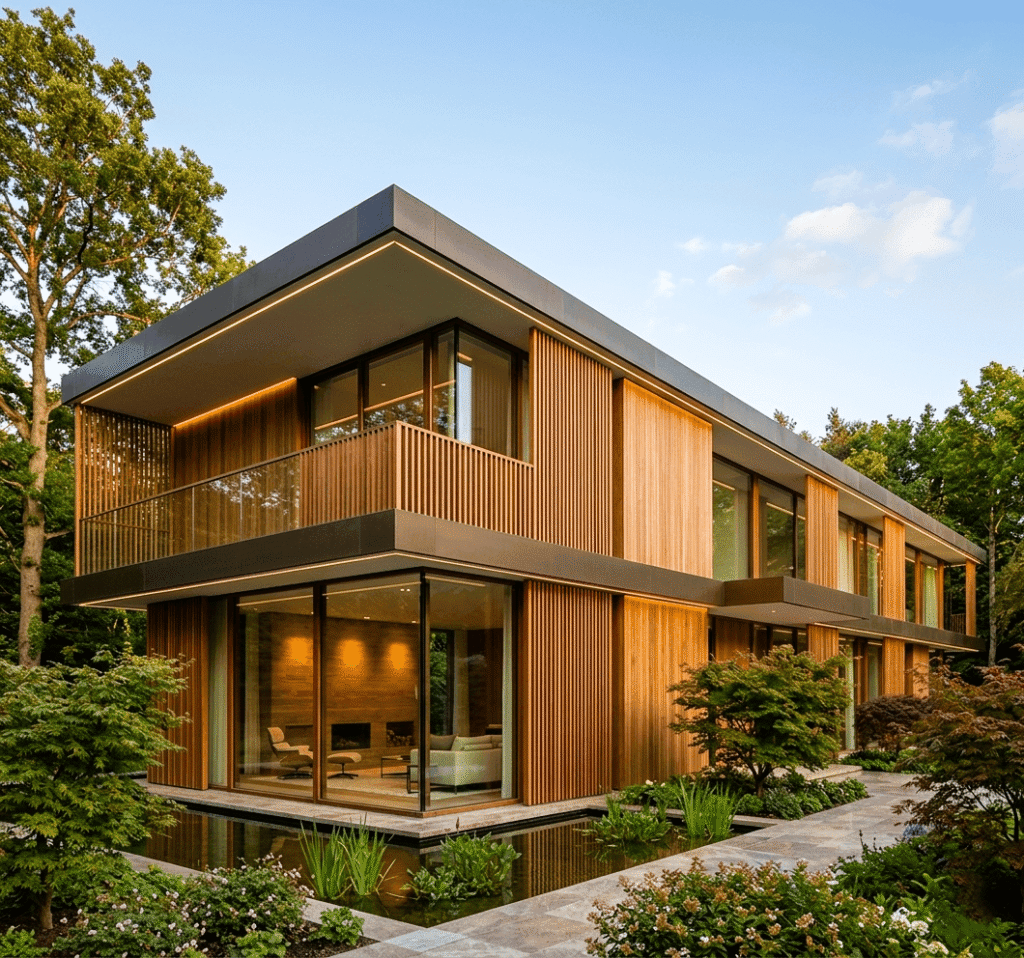
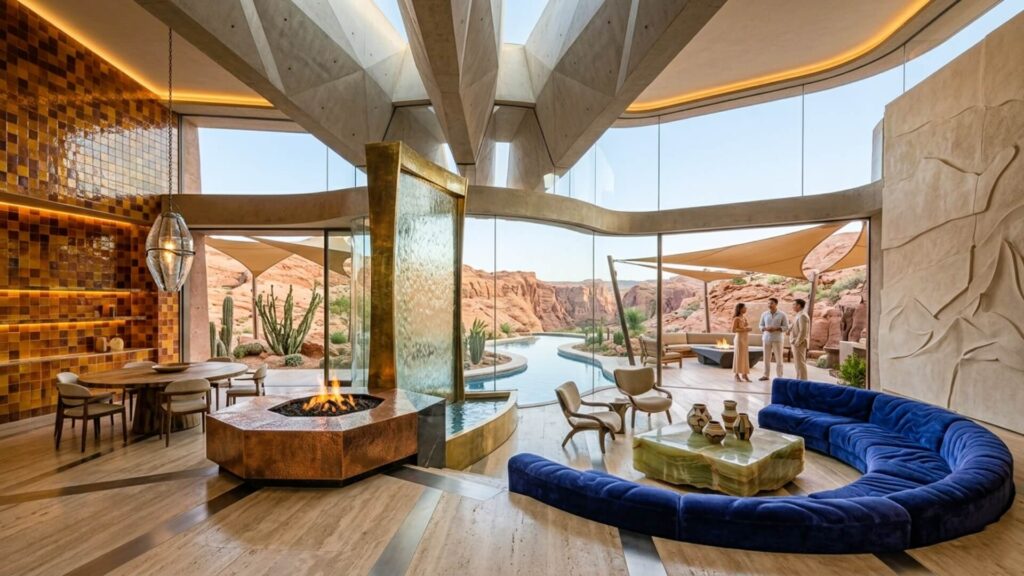
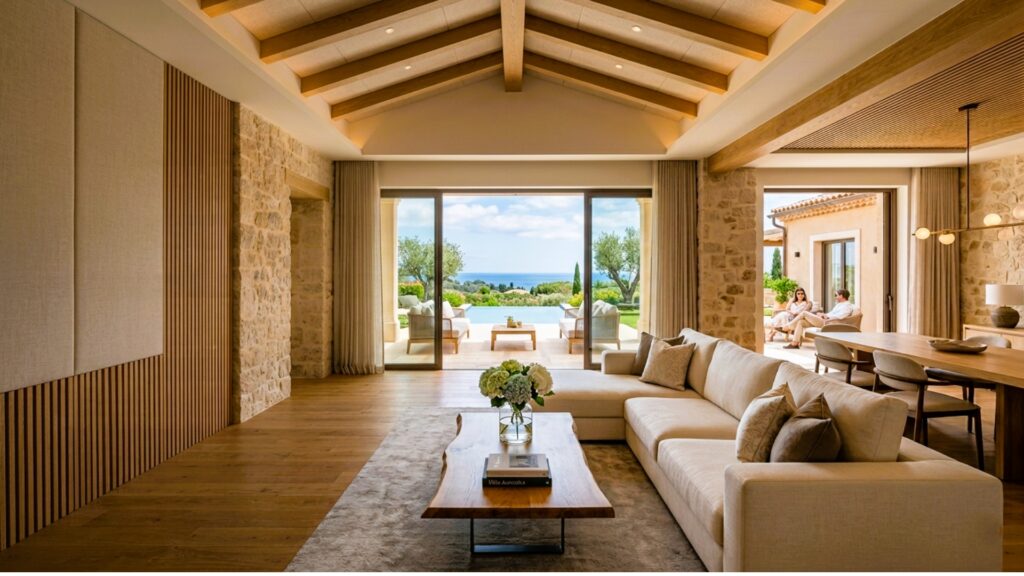
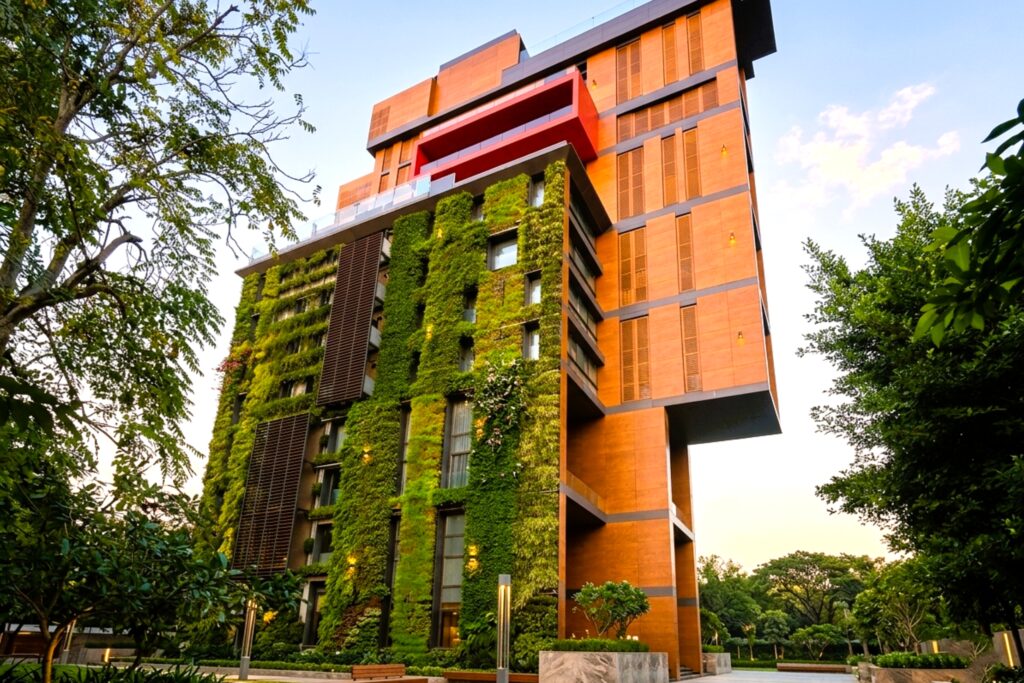
Sustainable façade design in the GCC has evolved far beyond a design trend—it is now a defining parameter of architectural performance, regulatory compliance, and long-term asset value. In 2026, across the UAE, Saudi Arabia, and the wider Gulf region, the building envelope has become the primary interface between environmental responsibility and commercial viability.
For architects, façade consultants, and developers, the question is no longer whether sustainability should be integrated into façade systems, but how to execute it at a level that meets increasingly stringent regulations while delivering measurable energy savings and lifecycle performance.
Within this context, Obras International operates at the intersection of material innovation and façade engineering—supporting the region’s most demanding projects with high-performance cladding systems designed specifically for GCC conditions.
The Shift Toward Performance-Led Façade Design
In contemporary GCC architecture, the façade is no longer treated as a purely visual layer. It has become a high-performance system responsible for regulating thermal gain, controlling energy consumption, enhancing occupant comfort, and extending building lifespan.
This shift is largely driven by the region’s environmental realities. Extreme solar radiation, prolonged exposure to UV, elevated ambient temperatures, and high humidity—particularly in coastal zones—place immense stress on building envelopes. In such conditions, poorly designed façades directly translate into excessive cooling loads, accelerated material degradation, and increased operational costs.
Sustainable façade design addresses these challenges through an integrated approach that combines advanced materials, passive cooling strategies, and intelligent system design. The result is not only compliance with green building frameworks, but a measurable improvement in building efficiency and long-term ROI.
Why Sustainable Façades Are Critical in the GCC Climate
The GCC climate is among the most demanding in the world, and this has direct implications for façade performance. Buildings in the UAE alone can spend over 60–70% of their operational energy on cooling. In this context, the façade becomes a critical control layer.
A high-performance façade can reduce solar heat gain, stabilize internal temperatures, and significantly lower HVAC dependency. Studies and regional project data consistently show that façade design can influence up to 30–40% of a building’s total energy performance.
This is precisely why regulatory frameworks such as Estidama in Abu Dhabi and Dubai’s Green Building Regulations place strong emphasis on envelope performance. These standards are not simply checklists—they are performance benchmarks that demand measurable outcomes.
For architects, this means that façade design decisions must be informed by thermal modeling, material science, and lifecycle analysis, rather than purely aesthetic considerations.
Understanding Sustainable Façade Design in Practice
At its core, sustainable façade design is about creating a building envelope that responds intelligently to climate conditions while minimizing environmental impact. It is not defined by a single material or system, but by the way multiple components work together.
A truly sustainable façade reduces energy consumption by limiting unwanted heat transfer, improves occupant comfort by maintaining consistent indoor temperatures, and extends building longevity through durable, low-maintenance materials.
In practice, this involves the careful integration of ventilated façade systems, high-performance cladding materials, solar control strategies, and optimized insulation layers. When executed correctly, these elements create a façade that performs as a dynamic environmental filter rather than a static outer shell.
Ventilated Façades: The Backbone of Sustainable Design in the GCC
Among all façade strategies used in the region, ventilated façade systems have emerged as one of the most effective solutions for improving energy performance.
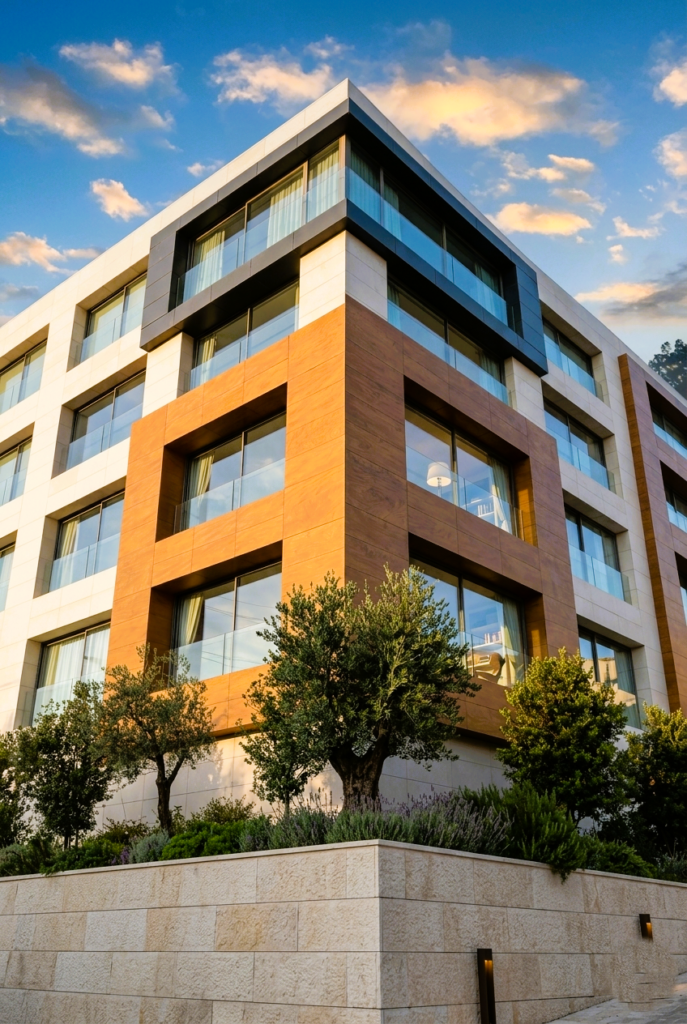
The principle is relatively straightforward but highly effective. A cavity is created between the external cladding and the building’s structural wall, allowing air to circulate naturally. This airflow dissipates heat before it reaches the interior, significantly reducing thermal transfer.
In the GCC context, where solar exposure is intense and continuous, this system provides a crucial layer of thermal protection. It also helps manage moisture, preventing condensation and improving the overall durability of the building envelope.
Obras International has positioned ventilated façade systems at the core of its offering, combining engineered substructures with advanced cladding materials to deliver solutions that meet both performance and design expectations.
Material Intelligence: The Foundation of Sustainable Façade Design
Material selection is one of the most critical decisions in façade design, particularly in the GCC where environmental stress factors are extreme. Not all materials perform equally under prolonged heat, UV exposure, and humidity, which is why performance-driven specification is essential.
Fibre cement panels, for instance, have become a preferred solution for many architects due to their balance of durability, fire safety, and low maintenance. With A2 fire ratings and strong resistance to environmental degradation, they are particularly well-suited for ventilated façade systems.
Engineered stone systems offer another dimension of performance, combining structural integrity with refined aesthetics. These materials provide long-term durability while maintaining visual consistency—an important factor in high-end commercial and hospitality projects.
Porcelain façades, increasingly specified in premium developments, bring high resistance to UV and chemical exposure, ensuring long-term color stability and minimal maintenance.
Terracotta systems, on the other hand, introduce a natural, breathable material solution that aligns well with sustainability goals while offering distinct architectural expression.
What defines a sustainable façade in 2026 is not the use of a single “green” material, but the intelligent combination of materials that collectively enhance performance, reduce maintenance, and extend lifecycle value.
Solar Control and Shading as Passive Design Strategies
In a region defined by intense sunlight, solar control is not optional—it is fundamental. Effective façade design incorporates shading strategies that reduce direct solar gain without compromising daylight quality.
Architectural elements such as brise soleil, vertical fins, and external louvers play a crucial role in this regard. These systems act as the first line of defense against solar radiation, reducing the thermal load on the building envelope.
Double-skin façades further enhance this performance by creating an additional buffer zone that limits heat transfer while allowing controlled ventilation.
The integration of these systems requires careful coordination between architectural design and façade engineering, ensuring that performance gains are achieved without sacrificing aesthetic intent.
Thermal Insulation and Envelope Optimization
While external cladding and shading systems play a visible role in façade performance, insulation remains a critical but often underestimated component.
Properly specified insulation layers significantly reduce heat transfer, stabilizing indoor conditions and lowering energy demand. In the GCC, where cooling is the dominant energy load, even small improvements in insulation performance can translate into substantial cost savings over time.
The challenge lies in integrating insulation within a façade system that also meets fire safety requirements and structural constraints. This is where expertise in façade engineering becomes essential.
Obras International supports this integration by providing system-based solutions rather than isolated materials—ensuring that insulation, cladding, and substructure work as a cohesive unit.
Lifecycle Thinking: Moving Beyond Initial Cost
One of the most common mistakes in façade design is focusing solely on upfront cost. While initial budgets are important, they rarely reflect the true cost of a façade over its lifespan.
Sustainable façade design adopts a lifecycle perspective, considering not only material cost but also durability, maintenance requirements, and energy savings.
High-performance materials may involve a higher initial investment, but they significantly reduce long-term operational costs by lowering energy consumption and minimizing maintenance.
In a region where buildings are exposed to extreme conditions year-round, this lifecycle approach is not just beneficial—it is essential for ensuring long-term project viability.
Aligning with GCC Regulations and Global Standards
Sustainable façade design in the GCC must align with a complex framework of local and international standards. In the UAE, regulations such as Estidama and the Dubai Green Building Regulations set clear performance benchmarks for energy efficiency and material safety.
At the same time, global certifications such as LEED continue to influence project requirements, particularly in high-profile commercial developments.
A key shift in 2026 is the integration of fire safety and sustainability. Materials are no longer evaluated solely for environmental performance—they must also meet stringent fire classification standards, particularly A2 ratings for non-combustibility.
This dual requirement has significantly influenced material selection, driving demand for solutions that balance sustainability with safety and compliance.
Avoiding Common Pitfalls in Sustainable Façade Design
Despite growing awareness, several common mistakes continue to undermine façade performance in the region. One of the most frequent issues is prioritizing visual impact over functional performance. While aesthetics remain important, they cannot come at the expense of energy efficiency and durability.
Another challenge is the use of materials that are not suited to the GCC climate. Materials that perform well in temperate regions may fail under extreme heat and UV exposure, leading to premature degradation.
A lack of ventilation strategy is another critical oversight. Without proper airflow, heat becomes trapped within the façade system, reducing its effectiveness and increasing cooling loads.
Finally, focusing exclusively on initial cost often results in higher long-term expenses, as lower-quality materials require more frequent maintenance and replacement.
Designing a Sustainable Façade in the UAE: A Performance-Driven Approach
Designing a sustainable façade in the UAE requires a structured, performance-led approach that begins with climate analysis. Understanding solar orientation, wind patterns, and humidity levels allows architects to make informed design decisions from the outset.
Material selection follows, with a focus on high-performance, fire-rated solutions that can withstand the region’s environmental conditions. Ventilated façade systems are then integrated to enhance airflow and reduce heat transfer.
Shading strategies and insulation layers are optimized to further improve energy efficiency, creating a façade that actively contributes to building performance.
Collaboration with façade specialists is essential throughout this process, ensuring that design intent is translated into technically sound and compliant solutions.
The Future of Sustainable Façades in the GCC
Looking ahead, sustainable façade design in the GCC will continue to evolve toward greater integration of performance, technology, and material innovation.
Smart façades, adaptive shading systems, and advanced materials will further enhance the ability of buildings to respond dynamically to environmental conditions. At the same time, regulatory frameworks will become more stringent, reinforcing the need for high-performance solutions.
For architects and developers, the opportunity lies in embracing this shift—not as a constraint, but as a catalyst for innovation.
In 2026, sustainable façade design is no longer just about meeting regulatory requirements. It is a strategic tool for reducing operational costs, enhancing building performance, and increasing long-term asset value.
By integrating ventilated systems, high-performance materials, and climate-responsive design strategies, architects can deliver façades that are not only compliant but future-ready.
Obras International plays a critical role in this transformation, offering a portfolio of façade solutions tailored to the unique demands of the GCC. From fibre cement and engineered stone to porcelain and terracotta systems, Obras supports architects at every stage—from specification to execution.
If you are designing a project in the UAE or GCC and need a façade solution that delivers both performance and compliance, Obras International provides expert support across:
Energy-efficient façade systems
Material specification and technical consultation
Fire-rated and regulation-compliant solutions
Request project consultation, samples, or technical specifications today and elevate your façade strategy with performance-driven design.